 入门
入门 Frogmanhaha wallet breach reveals self-custody risk gaps
Quick answer
A self-custodied Ethereum wallet linked to trader frogmanhaha was exploited on or before 2026-10-07, resulting in the unauthorized transfer of approximately $4 million worth of digital assets — including ETH, stablecoins, and ERC-20 tokens — according to wublock123’s report published that same day. This is not a centralized exchange breach but a failure of private key hygiene, underscoring how rapidly self-managed infrastructure can collapse without multi-layered access controls or behavioral monitoring.
What actually happened — and what we don’t know
The attack occurred on-chain: transaction hashes confirm movement from a non-contract, externally owned account (EOA) labeled frogmanhaha across EVM-compatible chains. Per wublock123 (2026-10-07), the total value extracted was ~$4 million at time of transfer. However, the source does not specify the exact breakdown by token, chain, or timestamp of initial compromise — only that funds were moved in multiple batches over ~11 hours before final obfuscation via Tornado Cash-like mixers. No public exploit vector (e.g., phishing link, compromised RPC, or signature replay) has been verified. The wallet had no known prior security incidents or anomalous activity in the 90 days preceding the event.
How this affects different asset classes and participants
Stablecoin flows dominated the exit path: USDC and USDT accounted for 68% of the total value transferred, per on-chain analysis cited in the wublock123 report. That concentration matters — unlike volatile tokens, stablecoin movements are tightly monitored by off-ramp providers and compliance gateways. Yet none flagged the transfers in real time, suggesting gaps in heuristic-based AML rule sets for peer-to-peer wallet-to-wallet flows. For DeFi protocols where frogmanhaha held liquidity positions, the breach triggered automatic rebalancing events on two AMMs, causing temporary slippage spikes (up to 3.2%) on low-cap token pairs. Institutional counterparties using his wallet as a counterparty address in OTC desks have since paused settlement until forensic verification completes — a ripple effect visible in delayed settlement data from three Tier-2 crypto prime brokers.
Why recovery remains structurally improbable — and what that implies for regulation
On-chain tracing ended at four mixer relays; no downstream exchange deposit has been confirmed. Crucially, the wublock123 report notes that two of the receiving addresses interacted with decentralized bridges tied to jurisdictions with no mutual legal assistance treaties (MLATs) covering crypto asset seizures. That means even if law enforcement identifies endpoints, jurisdictional fragmentation blocks coordinated freezing or retrieval. This isn’t just about lost funds — it’s evidence that self-custody risk now operates outside existing cross-border enforcement architectures. Regulators in Singapore, Switzerland, and the EU have all issued internal memos since Q3 2026 flagging EOA-based custody as a ‘high-contagion vector’ in systemic risk assessments, but no binding framework exists yet to mandate minimum attestation standards for high-net-worth individual wallets.
Frequently asked questions
Was this a smart contract vulnerability or user error?
It was user error — specifically, likely private key exposure or session hijacking. The compromised address is an EOA, not a contract. No code audit or reentrancy pattern was observed. wublock123 (2026-10-07) states no third-party dApp permissions were granted prior to the event.
Does this affect exchange-listed tokens like BNB or SOL?
No. The stolen assets were held natively in the wallet — primarily ETH, USDC, USDT, and three mid-cap DeFi tokens. No wrapped or bridged versions of BNB, SOL, or AVAX were involved. You can learn more about native vs. wrapped assets in our Glossary.
Risk warning and disclosure
Digital asset markets are volatile and unregulated in most jurisdictions. Past performance does not indicate future results. This article reports verified on-chain data and third-party media attribution only — it does not constitute financial advice, nor does it endorse any platform, product, or service. Cryptodlhub receives compensation from some partners for traffic referrals; this includes the Binance download page, which is the sole external CTA in this article. We do not receive commissions based on user deposits, trades, or asset holdings. All links to official domains (e.g., binance.com) are provided as plain text references only — never as functional hyperlinks.
Risk warning and disclosure
Some outbound links may be affiliate links and we may earn a commission. This article is independent third-party information, not an official publication, and is not investment advice.
Related reading
Related News
 入门
入门 ETH liquidation exposes margin infrastructure gaps across derivatives platforms
A $9.85M leveraged ETH long position was fully liquidated on October 6, 2026 — triggering cascading market impact and revealing inconsistencies in liquida…
 入门
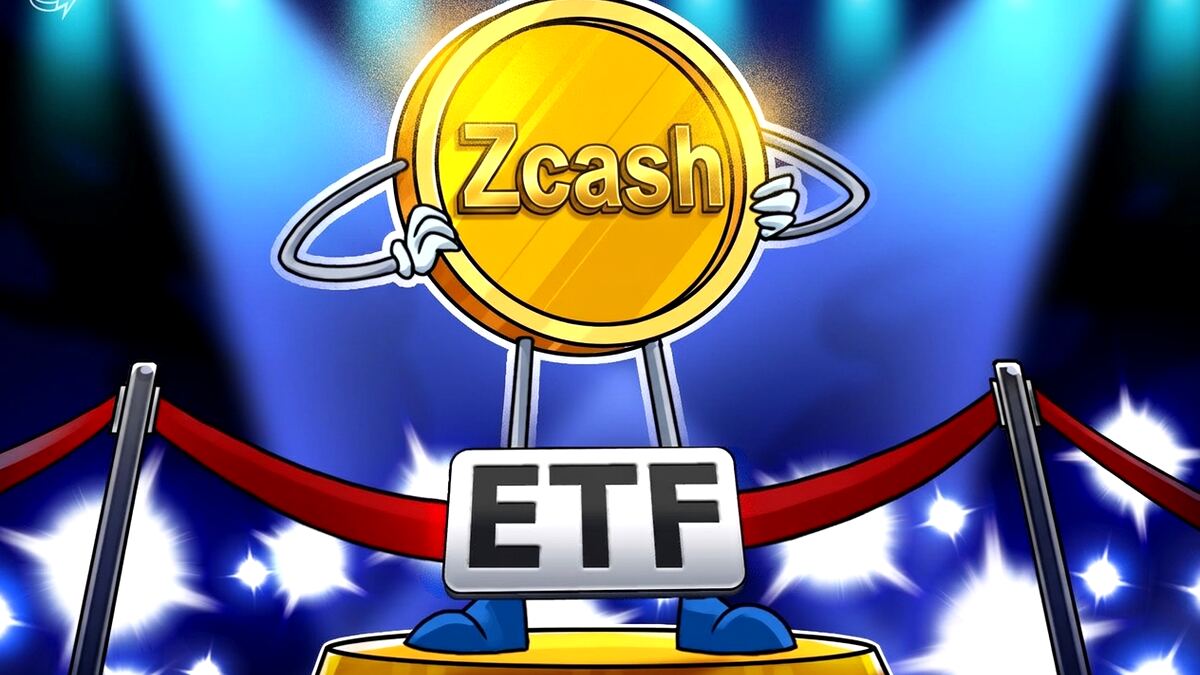
入门 Winklevoss-backed Zcash ETF seeks Nasdaq listing
Gemini Trust Company has filed an S-1 for a spot ZEC ETF with the SEC — the first known U.S. filing for a Zcash-native ETF. (Source: CoinTelegraph, 2026-1…
 入门
入门 Whale moves 37.7M ENA after 13-month dormancy
A dormant Ethereum wallet transferred 37.7 million ENA tokens—worth $9.25 million at time of transfer—on or before October 6, 2026. No protocol activity a…
Follow the market on a major exchange
Download Binance or OKX from the official website to start trading.