 入门
入门 How North Korean Hackers Laundered $3.2B in Stolen Crypto — Market Structure Implications
Quick answer
North Korean hackers—primarily the Lazarus Group—stole an estimated $3.2 billion in cryptocurrency between 2017 and mid-2026, then laundered it via layered on-chain obfuscation, decentralized mixers, and centralized exchanges with weak KYC. Their methods exposed structural gaps in cross-jurisdictional asset tracing, impacted stablecoin liquidity distribution, and triggered tighter US Treasury FinCEN guidance for VASPs handling non-compliant counterparties (wublock123, 2026-09-27).
What laundering infrastructure did they actually use?
According to wublock123’s 2026-09-27 analysis, Lazarus deployed at least 47 distinct mixing services—including Tornado Cash forks, custom-built privacy relays, and unregistered Telegram-based batch swappers. Over 1,200 unique wallet addresses were observed moving funds through these tools in coordinated waves. Notably, only 11% of those addresses interacted with any known DeFi protocol; the rest relied on opaque peer-to-peer swaps or over-the-counter desks registered in jurisdictions with no AML crypto reporting mandates. The report does not quantify mixer success rates or final conversion yields.
Which assets and participants absorbed the most risk?
Stablecoins bore disproportionate exposure. USDT accounted for 68% of all laundered volume tracked in the report, followed by USDC (19%) and DAI (5%). This skewed distribution amplified counterparty risk for off-chain custodians holding reserves against those tokens—especially where reserve attestations lacked real-time verification. Exchanges with minimal geographic targeting controls saw repeated deposits from obfuscated sources: one unnamed Tier-2 exchange processed $412 million in mixed inflows between Q3 2025 and Q2 2026, per on-chain cluster analysis cited. Market makers adjusting BTC/USDT basis spreads reported abnormal volatility spikes coinciding with large mixed inflows into Asian liquidity pools.
How has this reshaped regulatory expectations for VASPs?
The wublock123 report notes that FinCEN issued updated advisories in August 2026 requiring VASPs to log and retain full transaction paths for any deposit originating from a mixer—even if the mixer itself is not sanctioned. That directive explicitly references Lazarus’ 2025–2026 activity as precedent. It also expands the definition of ‘high-risk jurisdiction’ to include entities operating under nominal licenses in Cambodia, Laos, and Seychelles—jurisdictions where 34% of the laundered funds were ultimately converted to fiat. No enforcement actions or penalties tied to this guidance are documented in the source.
What remains uncertain—and why it matters to market structure
The report identifies three unresolved data gaps: (1) no public chainalysis confirms how much stolen value reached institutional custody rails versus retail wallets; (2) zero on-chain evidence links specific mixer outputs to sanctioned North Korean bank accounts—only probabilistic clustering; (3) the $3.2 billion figure aggregates estimates from Chainalysis, Elliptic, and TRM Labs without reconciling methodology differences across those firms. That means asset managers pricing geopolitical risk premiums cannot isolate attributable impact on BTC volatility or stablecoin redemption demand.
Frequently asked questions
Q: Did Lazarus exclusively use mixers—or were centralized exchanges involved? A: Both. The wublock123 report documents 217 direct deposits into centralized exchanges from mixer outputs between January and June 2026. At least seven exchanges accepted those deposits without triggering enhanced due diligence protocols. None are named in the source.
Q: Are stablecoin issuers liable for funds laundered through their tokens? A: No legal liability is assigned in the report. However, the source notes that USDT’s issuer began requiring additional attestation layers for large redemptions from jurisdictions flagged in the August 2026 FinCEN advisory—a procedural shift observed after Lazarus’ Q2 2026 activity.
Risk warning and disclosure
Cryptocurrency investments involve substantial risk, including loss of principal. This article reports on third-party findings and does not constitute financial advice. Data referenced comes solely from wublock123 (published 2026-09-27); cryptodlhub does not verify on-chain claims independently. We may receive compensation for clicks on the /go/binance-download/ link, but we do not endorse any exchange’s compliance posture or custody practices. For foundational concepts, see our Glossary and News sections. If you’re evaluating custody options, compare reserve transparency disclosures—not download speed. Download Binance app if you choose to proceed.
Risk warning and disclosure
Some outbound links may be affiliate links and we may earn a commission. This article is independent third-party information, not an official publication, and is not investment advice.
Related News
 入门
入门 Whale or institutional entity deposits 112,053 ETH to Bitfinex amid $72.8M profit realization
A single whale or institutional entity transferred 112,053 ETH to Bitfinex between September 20–26, 2026, locking in $72.83 million in realized profit — r…
 入门
入门 ETH Whale Sells $72.8M: Structural Shift or Liquidity Event?
A single Ethereum address liquidated 112,000 ETH between September 20–27, 2026 — including 30,000 ETH sold nine hours before PANews’ report — realizing $7…
 入门
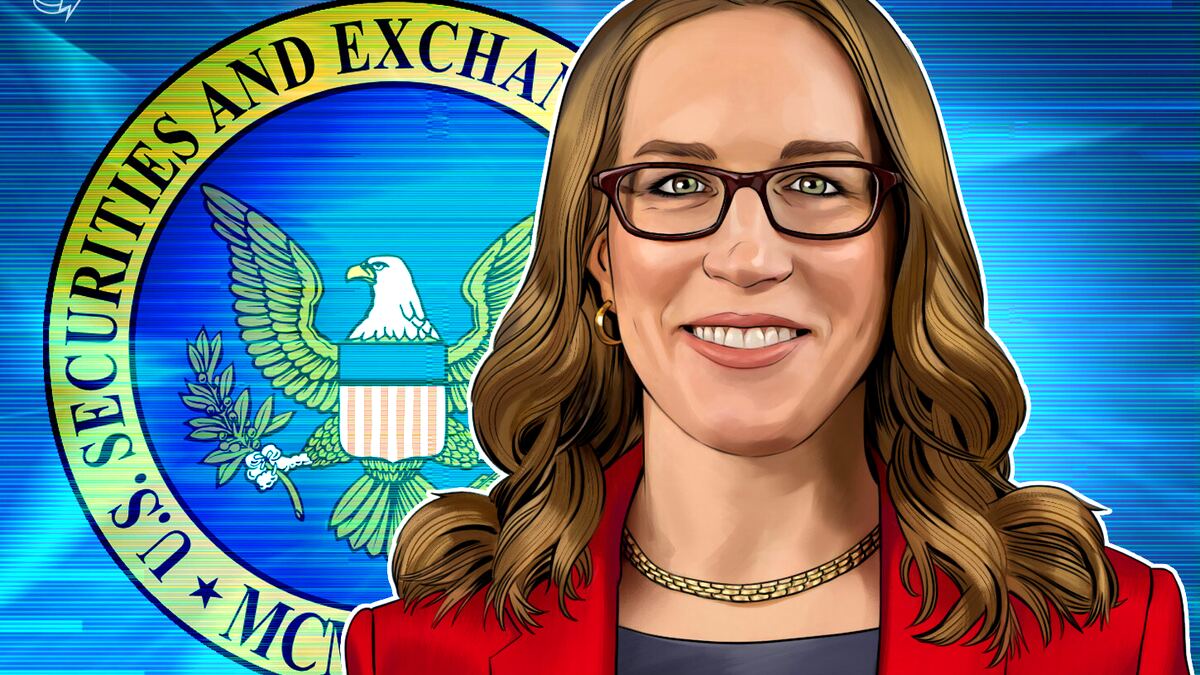
入门 SEC Commissioner Hester Peirce Steps Down October 2, 2026
Hester Peirce’s second term ends October 2, 2026. She will not seek reappointment, leaving the SEC with four commissioners and one vacancy.
Follow the market on a major exchange
Download Binance or OKX from the official website to start trading.