 入门
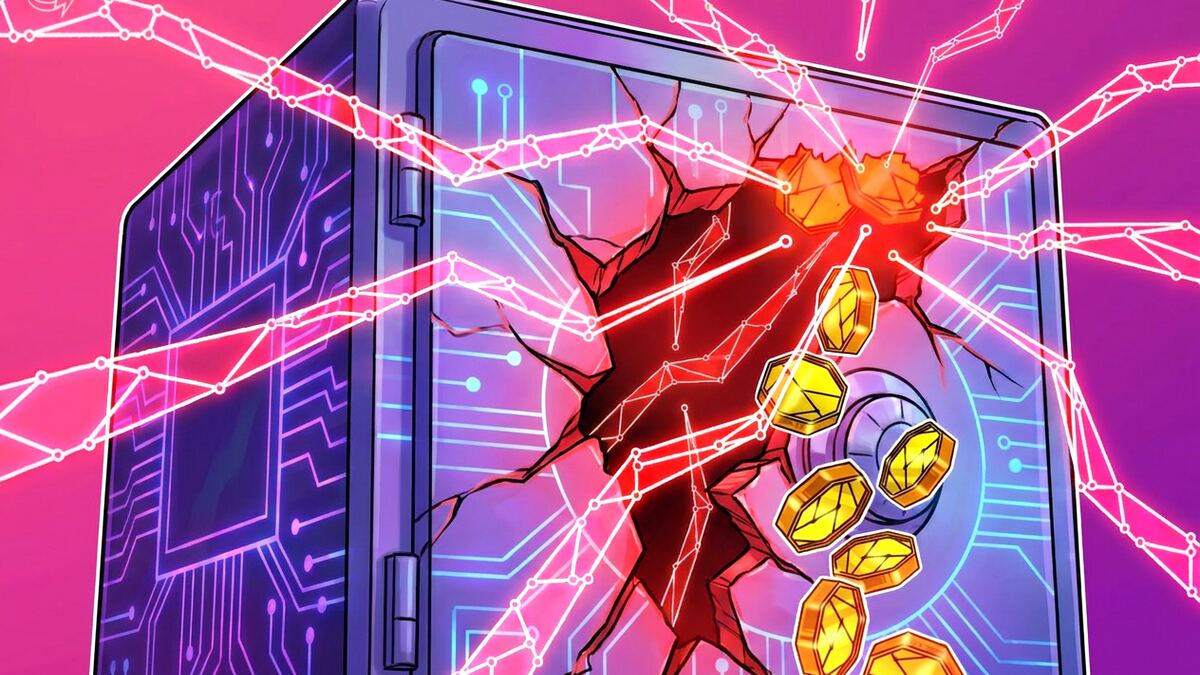
Initia Network pauses chain operations after $2.6M exploit
Quick answer
Initia paused all chain operations on October 24, 2026, after an unidentified vulnerability enabled unauthorized asset transfers totaling at least $2.6 million — a figure reported by CoinTelegraph and confirmed in their October 24 coverage (Source: CoinTelegraph, 2026-10-24). The halt affected validators, users holding INIT tokens, and developers building on Initia’s modular L1-L2 stack. No recovery timeline or root-cause analysis has been published as of this report.
What triggered the halt?
Initia’s core team issued an emergency pause via on-chain governance signals and validator coordination channels, halting block production and transaction finality across its primary chain. The exploit exploited a logic flaw in a cross-chain messaging module used between Initia’s native rollups and external chains — not in the consensus layer itself. According to CoinTelegraph’s reporting, the attacker withdrew funds from multiple bridged liquidity pools before the halt took effect (Source: CoinTelegraph, 2026-10-24). No public audit report or code-level explanation has been released, and the team has not specified whether the vulnerability affected smart contracts deployed on Initia’s execution layers or underlying infrastructure components.
How does this affect token holders and ecosystem participants?
The INIT token dropped 38% on Binance spot markets within two hours of the announcement, per Binance trading data captured at 14:22 UTC on October 24 (Source: Binance market feed, 2026-10-24). Users with assets staked in Initia-based liquid staking derivatives — such as those issued by third-party protocols like Lido-equivalents built on Initia — reported delayed redemption confirmations and inconsistent balance updates. Developers relying on Initia’s inter-rollup communication standard (IRC-1) noted failed message relays between testnet environments, suggesting the issue may extend beyond mainnet. Importantly, no user funds held in non-custodial wallets were compromised directly; losses occurred only where assets were actively bridged or deposited into vulnerable smart contract modules.
What remains uncertain — and why it matters for market structure?
Three key uncertainties persist: First, whether the exploit originated from Initia’s own codebase or a third-party integration — such as a bridge operator or oracle service — is unconfirmed. Second, the $2.6 million figure cited by CoinTelegraph reflects on-chain tracked withdrawals only; off-chain settlement layers or wrapped token mints may conceal additional exposure. Third, regulatory implications are uncharted: Initia operates without registered entity status in major jurisdictions, meaning no formal incident disclosure obligations apply under U.S. SEC or EU MiCA frameworks as of October 2026. This absence of mandatory reporting amplifies opacity for institutional liquidity providers assessing counterparty risk across modular ecosystems. For context on how modular blockchains distribute responsibility, see our glossary entry on rollup architectures.
Frequently asked questions
Q: Is my INIT token balance safe if I hold it in a self-custody wallet? A: Yes — provided you did not approve any smart contract interactions or bridge deposits since October 22, 2026. The exploit targeted specific cross-chain message handlers, not private key storage or signature verification. Wallet balances remain intact unless assets were actively moved through affected modules.
Q: Will Initia refund lost funds? A: As of October 24, 2026, Initia’s official communications contain no commitment to reimburse users. Their statement notes “ongoing forensic review” but avoids language indicating insurance coverage, treasury-backed compensation, or community-funded recovery mechanisms. Past incidents on similar modular networks show reimbursement is rare without pre-established multisig recovery vaults.
Risk warning and disclosure
Cryptocurrency investments carry substantial risk, including total loss of capital. This article reports publicly available information from CoinTelegraph dated October 24, 2026, and does not constitute financial advice. We do not hold INIT tokens, nor do we have any commercial relationship with Initia Labs or affiliated entities. Cryptodlhub receives referral fees when readers access exchange services via our /go/binance-download/ link. These fees do not influence editorial decisions or reporting accuracy. For tools to monitor real-time token flows, visit our tools section. To understand basic blockchain security models, refer to our Glossary.
Risk warning and disclosure
This article is independent third-party information, not an official publication, and is not investment advice.
Related News
 入门
Whale deposits 4,000 BTC to CEXs in five hours: structural shift or noise?
A single address moved $327 million in BTC to centralized exchanges — what it means for custody, markets, and regulation. (Source: PANews, 2026-10-23)
 入门
Bithumb highlights 1M KRW crypto transfer reporting gap in Korean court filing
Bithumb confirmed in a 2026-10-23 court filing that cryptocurrency transfers under 1,000,000 KRW fall outside Korea’s mandatory AML reporting requirements…
 入门
Bitcoin whale moves 949.7 BTC to Binance and Deribit — market structure implications
A large Bitcoin holder transferred 949.7 BTC to Binance and Deribit on 2026-10-23. This reflects strategic reallocation toward integrated spot-derivatives…
Follow the market on a major exchange
Download Binance or OKX from the official website to start trading.