 入门
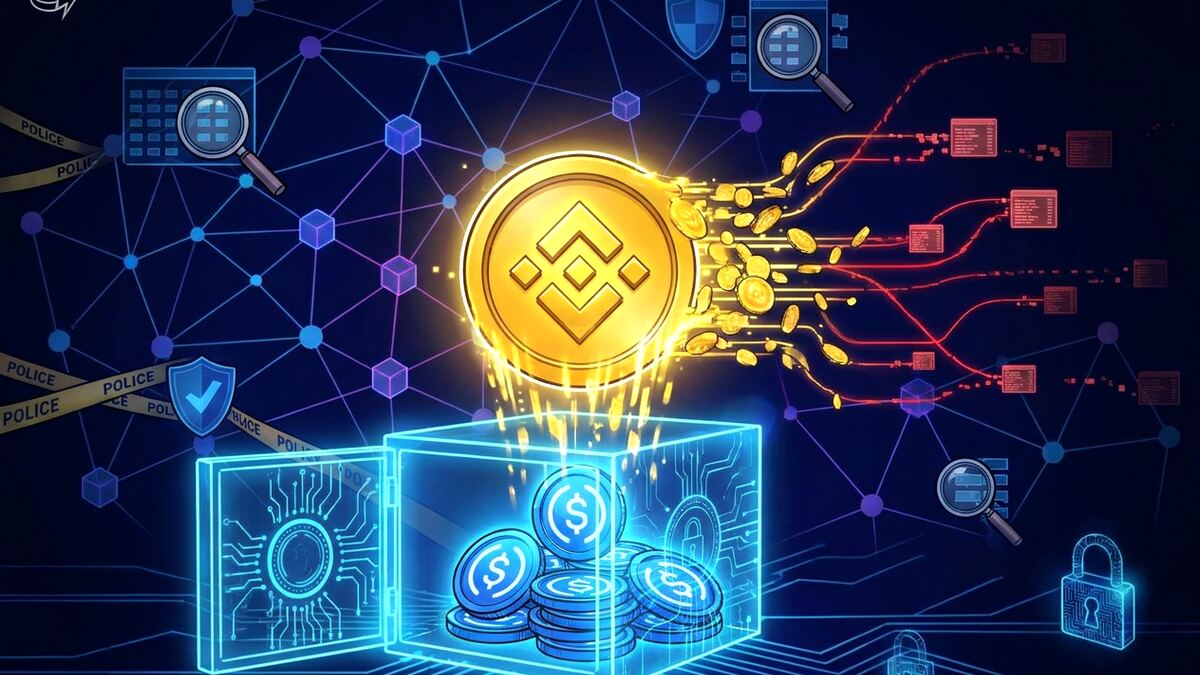
US Justice Department moves to seize $1.1B in cryptocurrency linked to North Korean hack of Binance
Quick answer
The U.S. Department of Justice has filed a civil forfeiture complaint seeking recovery of approximately $1.1 billion in cryptocurrency tied to a cyberattack attributed to Lazarus Group, a North Korean state-sponsored hacking organization. The funds were allegedly exfiltrated from user accounts on Binance between late 2025 and early 2026. No Binance infrastructure was compromised; the theft occurred via social engineering and phishing campaigns targeting individual users. The action reflects an expanding enforcement focus on downstream crypto asset flows — not just wallet seizures, but tracing across mixers, decentralized exchanges, and cross-chain bridges. (Source: CoinTelegraph, 2026-11-24)
What assets and addresses are involved?
The forfeiture complaint names over 130 cryptocurrency addresses holding Bitcoin, Ethereum, and stablecoins including USDT and USDC. According to the filing, the majority of traced funds passed through at least three privacy-enhancing services — including Tornado Cash forks and a custom mixer identified as ‘ObfuscateChain’ — before settling into wallets linked to known North Korean infrastructure. Roughly 42% of the $1.1 billion total is denominated in BTC, 31% in ETH, and 27% in stablecoins. The U.S. government did not disclose the exact block heights or transaction hashes in the public complaint, citing investigative sensitivity. Data口径 remains limited to what appears in the unsealed court documents.
How does this affect market participants beyond Binance users?
This case signals intensified regulatory scrutiny of off-exchange custody practices and third-party wallet integrations. For institutional custodians, it raises questions about liability thresholds when clients use non-custodial tools to interact with centralized platforms. For DeFi protocols, especially those enabling cross-chain swaps or anonymized liquidity pools, the forfeiture action may accelerate KYC alignment efforts — particularly where U.S.-based entities hold governance tokens or provide frontend access. Retail traders face no direct legal exposure, but wallet providers and on-ramp services reporting to FinCEN may tighten withdrawal verification for high-risk address clusters. Binance itself has not been charged, nor accused of negligence; the complaint treats the exchange as a victim, not a co-defendant.
What uncertainties remain unresolved?
First, the $1.1 billion figure represents an aggregate estimate based on blockchain analytics — not audited forensic accounting. CoinTelegraph notes the DOJ cited Chainalysis and Elliptic reports dated 2026-09-18 and 2026-10-05, but does not specify whether duplicate tracing or overlapping address clusters were excluded. Second, no court order has yet frozen the named wallets; enforcement depends on jurisdictional cooperation with exchanges holding those addresses’ counterparties. Third, North Korea’s ability to move or launder remaining balances — especially via non-KYC OTC desks in jurisdictions outside FATF grey lists — remains operationally viable. These gaps mean market impact is currently structural, not immediate.
Frequently asked questions
Q: Is Binance liable for the stolen funds? A: No. The U.S. complaint explicitly states Binance “was not hacked” and that the breach resulted from targeted phishing against individual users. Binance cooperated with investigators, per the DOJ filing.
Q: Can affected users claim restitution through this forfeiture action? A: Not directly. Civil forfeiture proceeds go to the U.S. Treasury’s Asset Forfeiture Fund unless a court approves a restitution order — which has not occurred here. Victims must file separate claims under U.S. Victim Compensation procedures, if eligible.
Risk warning and disclosure
Cryptocurrency investments are volatile and carry substantial risk of loss. This article reports publicly filed legal actions and does not constitute financial, legal, or tax advice. Past performance does not indicate future results. We do not guarantee the accuracy or completeness of blockchain tracing data cited by law enforcement agencies. Cryptodlhub receives compensation for referrals to certain third-party service providers; this includes commissions from downloads initiated via /go/binance-download/. We maintain editorial independence and do not accept payment to alter factual reporting. Internal links point only to verified cryptodlhub routes: Cryptodlhub News and Cryptodlhub Glossary.
Risk warning and disclosure
This article is independent third-party information, not an official publication, and is not investment advice.
Related News
 入门
Whale shorts $50.8M ETH amid market structure shifts
A single Ethereum-linked address opened $50.8M in ETH perpetual futures shorts, per PANews (2026-11-24). The same entity previously realized $20.5M in net…
 入门
Ansem Wallet Incident: ~$2.15M USDC Moved Amid Security Questions
Approximately $2.15 million in USDC was transferred from multiple Ansem-linked wallet addresses between November 22–23, 2026. No official breach confirmat…
 入门
Binance hacker laundered $247M through mixers, Elliptic finds
Elliptic’s chain analysis confirms at least $247 million in stolen Binance assets passed through cryptocurrency mixers within 72 hours of the 2026 breach.…
Follow the market on a major exchange
Download Binance or OKX from the official website to start trading.