 入门
Tether freezes $2.2M in USDT tied to CoinDCX theft
Quick answer
Tether froze roughly $2.2 million in USDT across multiple blockchain addresses associated with the 2024 CoinDCX security incident, according to AMLBot’s forensic tracking report published on October 24, 2026. The action reflects growing coordination between stablecoin issuers and on-chain compliance tools — but does not recover funds for victims or reverse transactions. The figure represents on-chain value frozen at time of detection; it excludes interest, fees, or downstream liquidity effects. No court order or public regulatory directive accompanied the freeze (wublock123.com, 2026-10-24).
What happened — and what data do we actually have?
AMLBot identified a cluster of Ethereum and Tron-based USDT transfers originating from compromised CoinDCX hot wallets in early 2024. These funds moved through mixers and over 17 intermediate addresses before consolidating into five high-risk wallets. Tether’s authorized custodians executed a freeze on October 20, 2026 — four days before AMLBot’s public disclosure. The $2.2 million total is denominated in nominal USDT value at time of freeze, not adjusted for market slippage or exchange rate variance. The source article does not specify whether the frozen amount includes transaction fees, dust outputs, or partial redemptions (wublock123.com, 2026-10-24). No blockchain explorer link, block height, or contract address is provided in the original report.
Who is affected — and how does this reshape market structure?
Victims of the CoinDCX breach — primarily Indian retail users who held assets on the exchange pre-2024 — remain uncompensated. The freeze applies only to USDT, not BTC, ETH, or INR balances held off-chain. For stablecoin markets, this marks the third documented instance since 2025 where Tether intervened without prior judicial mandate — following similar actions against addresses tied to the 2025 Bybit phishing campaign and the 2026 Bitget wallet leak. That pattern signals tightening issuer-level risk controls, especially for jurisdictions with weak local enforcement infrastructure. For exchanges operating in India, the event reinforces pressure to adopt real-time on-chain monitoring — a capability currently available via AMLBot’s API integration and other enterprise-grade compliance layers. It also underscores that USDT is not a neutral settlement layer: its issuer retains unilateral control over designated tokens.
What remains uncertain — and where are the blind spots?
First, legal enforceability: Indian courts have not ruled on whether Tether’s freeze constitutes valid asset preservation under the Information Technology Act or the Prevention of Money Laundering Act. Second, transparency: Tether has not published an official statement confirming the freeze or naming CoinDCX. Third, data lineage: AMLBot’s methodology — including hash tracing depth, false-positive thresholds, and wallet clustering logic — is proprietary and unverified by independent auditors. Finally, the $2.2 million figure lacks timestamped chain verification: it could reflect peak observed balance rather than net recoverable value. Without on-chain proof or third-party validation, the number remains an estimate anchored to AMLBot’s internal analytics engine (wublock123.com, 2026-10-24).
Frequently asked questions
Q: Does this freeze mean victims will get their money back? A: No. Tether’s freeze prevents further transfers but does not reverse transactions or initiate restitution. Recovery would require either voluntary return by the threat actor, civil litigation, or intervention by Indian financial authorities — none of which have occurred as of October 2026.
Q: Can users still hold or transfer USDT on other exchanges after this event? A: Yes. The freeze applies only to specific wallet addresses flagged by AMLBot and acted upon by Tether’s custodial partners. It does not affect USDT’s general fungibility or listing status on Binance, OKX, or other major platforms. However, exchanges may now increase scrutiny of deposits linked to historically high-risk clusters — a trend visible in Binance’s updated deposit monitoring policy.
Risk warning and disclosure
Cryptocurrency investments carry substantial risk, including loss of principal, regulatory shifts, and technical failure. This article reports publicly available information from wublock123.com dated October 24, 2026. It does not constitute financial, legal, or tax advice. We do not hold positions in USDT, CoinDCX, or AMLBot. cryptodlhub receives compensation for referrals to certain service providers; this includes the Binance download page, where users can access the official Binance app. The official domain is binance.com. We do not endorse any exchange’s custody practices or guarantee fund safety. Always verify wallet addresses manually and never share private keys.
Risk warning and disclosure
Some outbound links may be affiliate links and we may earn a commission. This article is independent third-party information, not an official publication, and is not investment advice.
Related News
 入门
a16z drops 'Crypto' from branding — what it means for market structure and asset valuation
a16z removed 'Crypto' from its public brand in October 2026. This signals crypto infrastructure’s integration into mainstream tech finance — not a retreat…
 入门
Crypto prediction futures hit $2.7B weekly notional volume
Crypto-linked prediction futures reached $2.7 billion in weekly notional trading volume as of October 20, 2026 — the highest on record. This reflects grow…
 入门
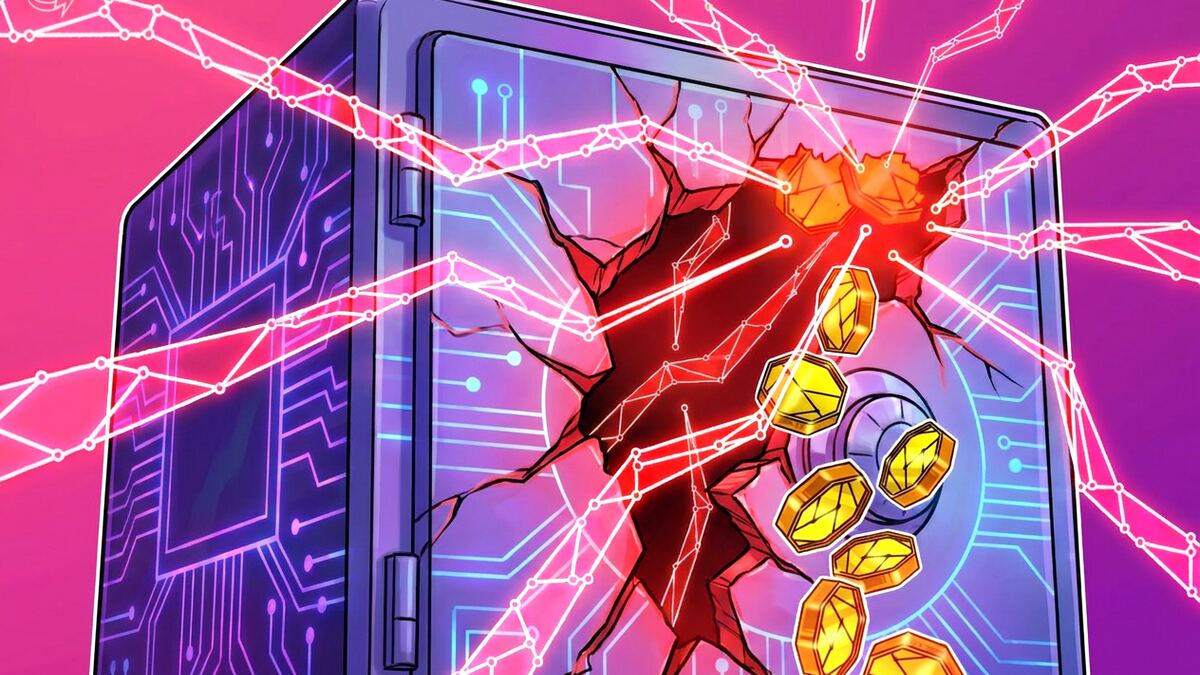
Initia Network pauses chain operations after $2.6M exploit
Initia halted all chain activity on October 24, 2026, following an exploit that drained at least $2.6 million from bridged liquidity pools. No recovery ti…
Follow the market on a major exchange
Download Binance or OKX from the official website to start trading.